One year of Skillsync
Jul 2, 2026

This week marks a year since I went full-time on Skillsync. In no particular order, here are the top n things we've learned so far. This is also a note to myself as we step into this new chapter for Skillsync (more on this later).
Show your work
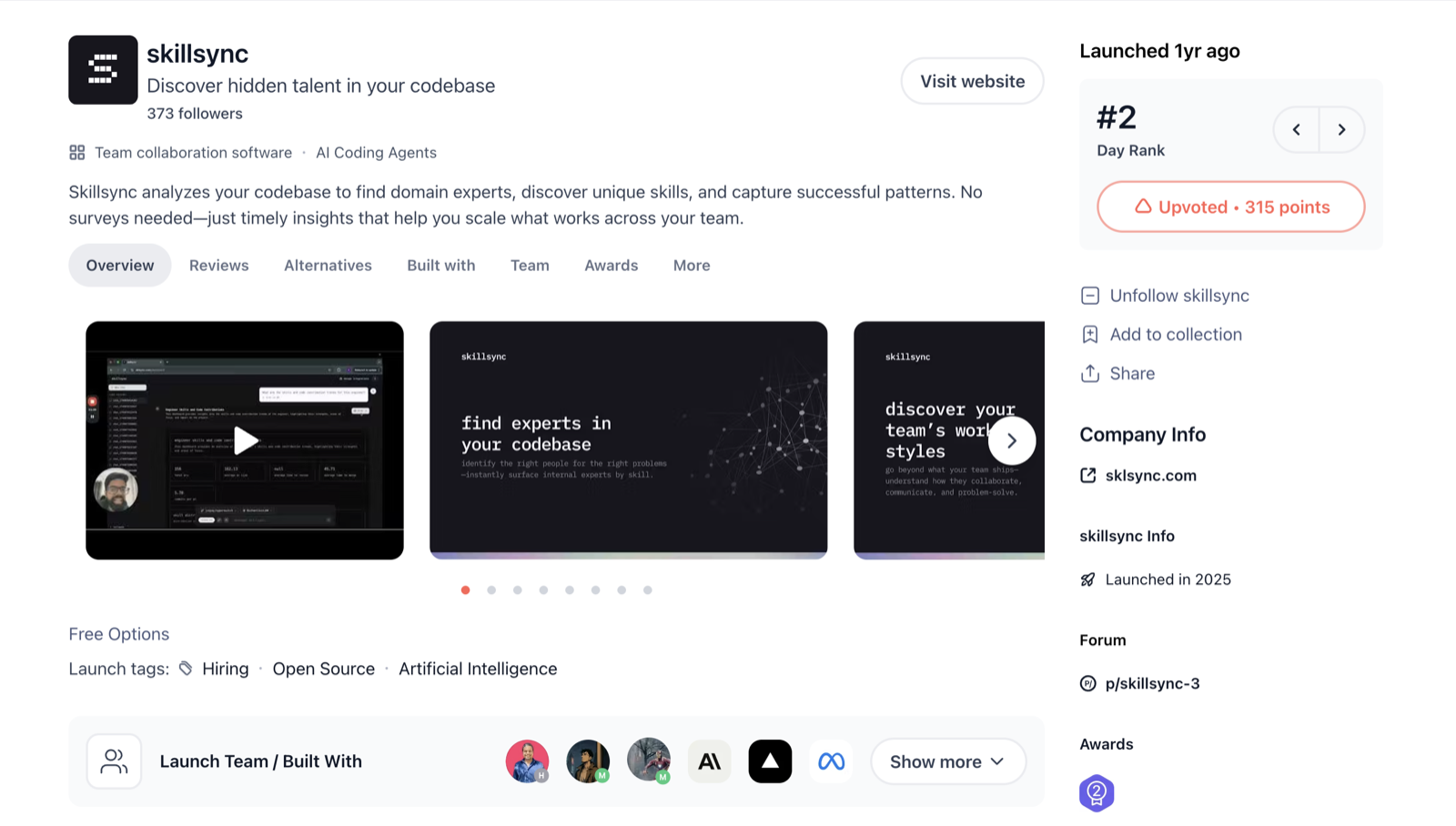
The first step is the hardest one. Putting your work out there changes your relationship with it. This is because it ties back to your identity. Launching often is how you reinforce that identity. We launched a completely different version of Skillsync on Product Hunt of all places. We even hit #2 that day. Most importantly, this was what got me to start posting on my socials about what I was working on. It seemed like a really big deal at the time but literally no one cares. This was even before we quit our jobs and I still think we should have launched sooner!
Action creates information
This is literally my favorite startup advice. We got so much feedback from that launch, it was unreal. The more you talk about your idea/product, the more it interfaces with the real world and the more you learn (FAFO). Like what even is a launch? A launch is just telling people what you've built. Even the biggest companies launch every single day. It's very easy to feel satisfied with a big launch that goes well but it's all about keeping up that momentum...by constantly telling people about it. Whenever we were in a rut, it was because we were not talking to enough customers. It's only a matter of time before you come up with really creative ways of 'launching' that work for you.
Introducing Skillsync
— Nars (@narsagna) November 6, 2025
Find devs that get on base pic.twitter.com/yBhlqejmLN
Skillsync helps companies find elite (but overlooked!) engineers on GitHub based on what they have actually built.
— Y Combinator (@ycombinator) January 14, 2026
It analyzes public GitHub contributions and turns them into structured skill profiles that recruiters & hiring managers can search.
Congrats to @narsagna and… pic.twitter.com/wr233GqEhY
Finding your ICP
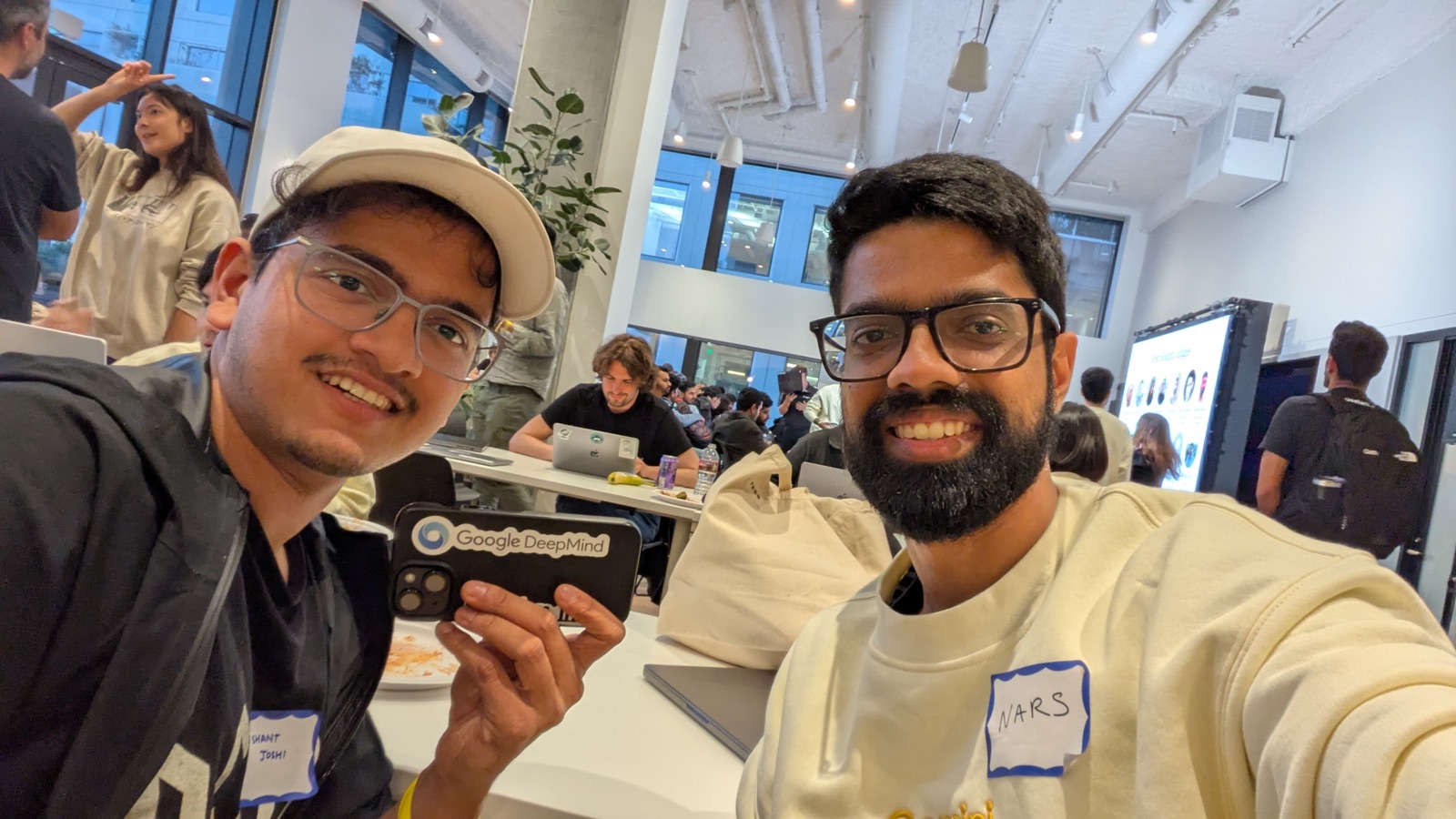
Clarity = speed. When it's clear what needs to be done, it's usually easy to do it. I'm not a big fan of startup buzzwords but I am a fan of this one. It took us a while to realize who our ICP (ideal customer profile) was. For a few months, we went to every hackathon in SF, tried meeting as many people as we could but it was only at Founders Inc did we realize who our ICP was: companies looking for low level / systems engineers that are tired of hiring from LinkedIn. This banger from PostHog puts it best: your entire strategy is downstream of your ICP. Everything from design to launch videos to product, starts to become obvious once you realize this.
X for Y
Good communication + storytelling is rare and people overcomplicate pitching their ideas. This happens when we're not clear in our own heads. This format imo never fails. Talking to someone about a new idea with reference to something they already know. If you can't pitch your idea as X for Y or X meets Y, you don't understand it simply enough. Brandon Sanderson calls this the strange attractor in the context of coming up with one liners to pitch your book. Simple analogies go a long way. This also translates to writing emails. Writing emails like you're talking to a friend at a party is a competitive advantage. This is the easiest way to not sound like AI.
Differentiation is underrated
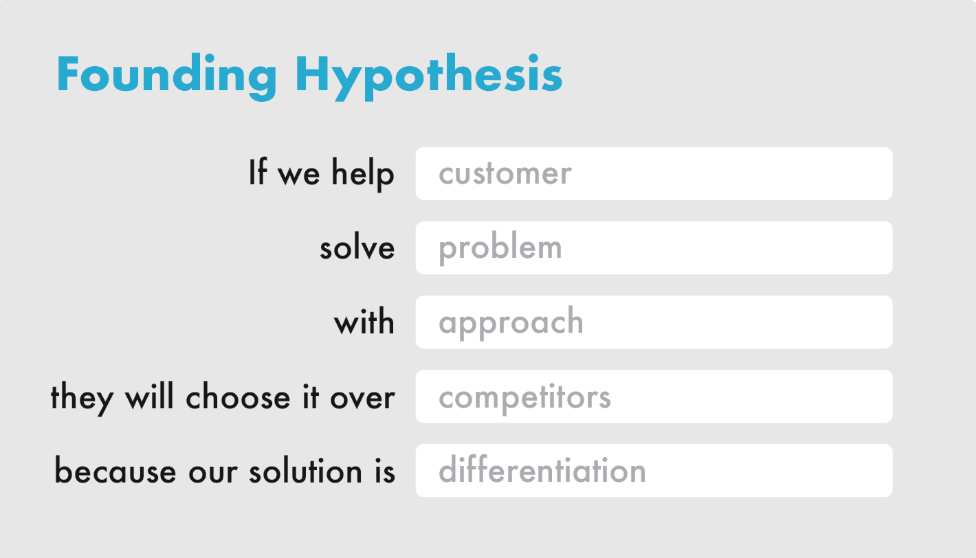
We did Character Labs G5! My favorite thing about it was the foundation sprint. It makes you understand and express your ideas so much better. I've consumed an endless amount of content about validating startup ideas and the foundation sprint is hands down the most reliable way to do this. Follow this guide, read the book and you'll save yourself a ton of time! We loved this so much we even created a foundation sprint skill.
Walking on water
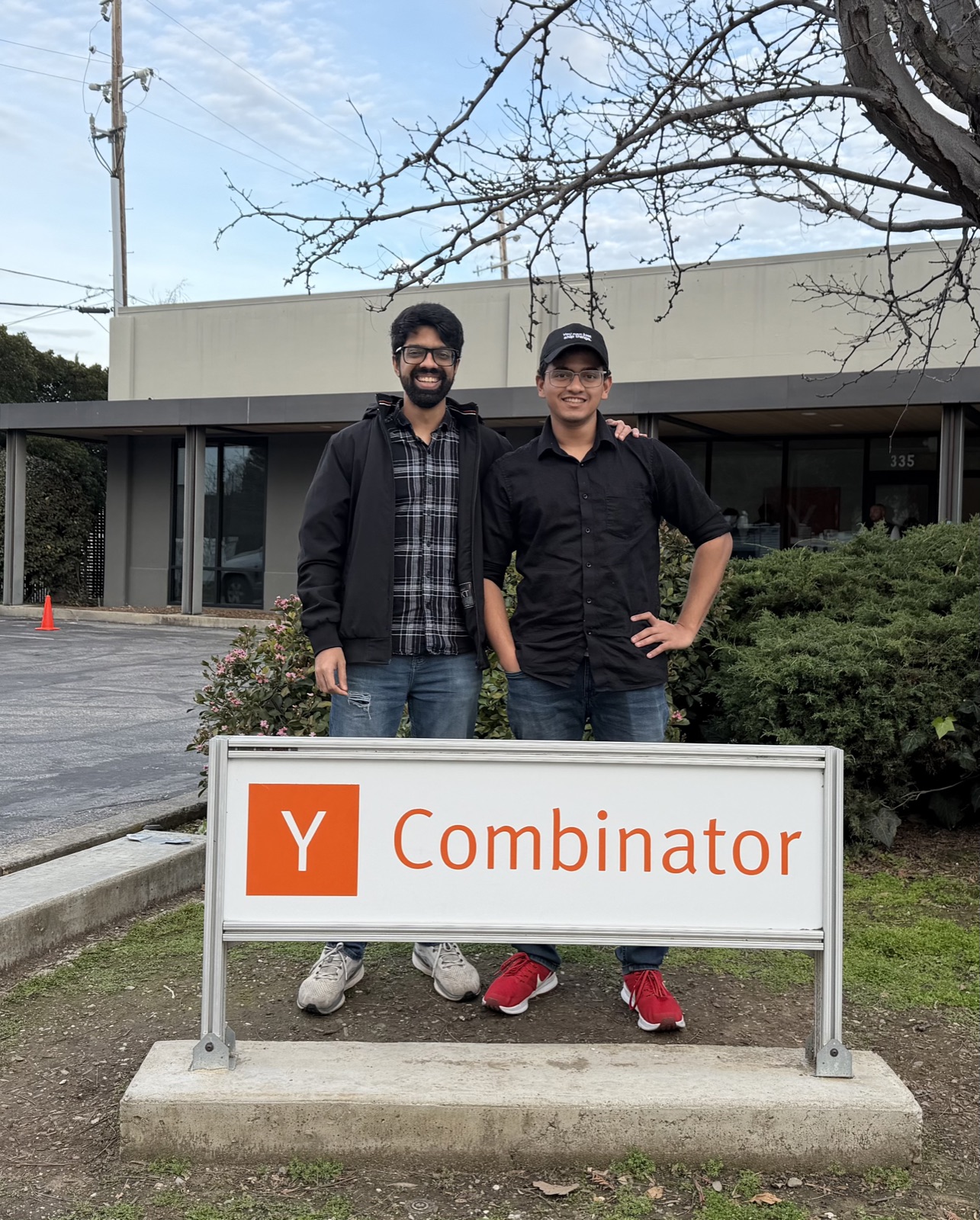
This was probably our biggest lesson from YC, which is the ability to understand counterintuitive stuff. Or at least be open to the possibility that you might have to unlearn things along the way. Particularly the problem of holding yourself up to the standard of a more established company when you're just starting out. Things like self-serve, retention, etc are all important but later. Every cell in my body believed that self-serve was necessary but our revenue increased drastically after we finally listened to our partners and forced our customers to book a call instead. Because that's how we learned more about them and that's how the product becomes better. My favorite analogy from PG is about how startups are like insects which are so small they can walk on water because of surface tension. There are so many advantages to being small!
So what's next?
Skillsync was built around code as the primitive but somewhere along the way we noticed a deeper pattern. Code is getting cheaper to produce but good thinking is rare and is trapped in sessions. We (humans and agents) do a lot of thinking inside the session but it just sits there doing nothing. We also noticed how every coding agent is designed to scale the output of a single engineer and not the team. Software has been and will always be a team sport. This brings us to the next step in our journey and we've some really cool stuff cooking! Keep an eye out!